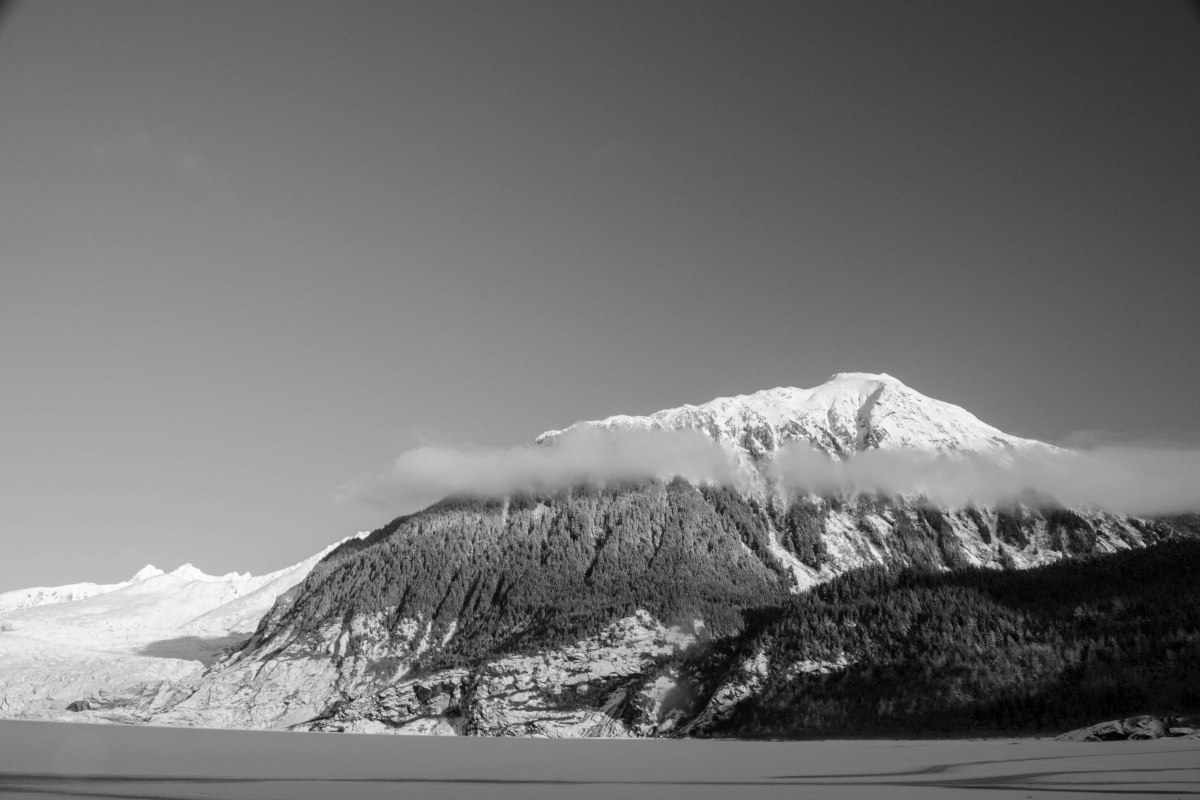
It’s March, which means spring is just around the corner! That also means that I’ve almost survived my first winter in Alaska. How did it go? Well…
Expectations
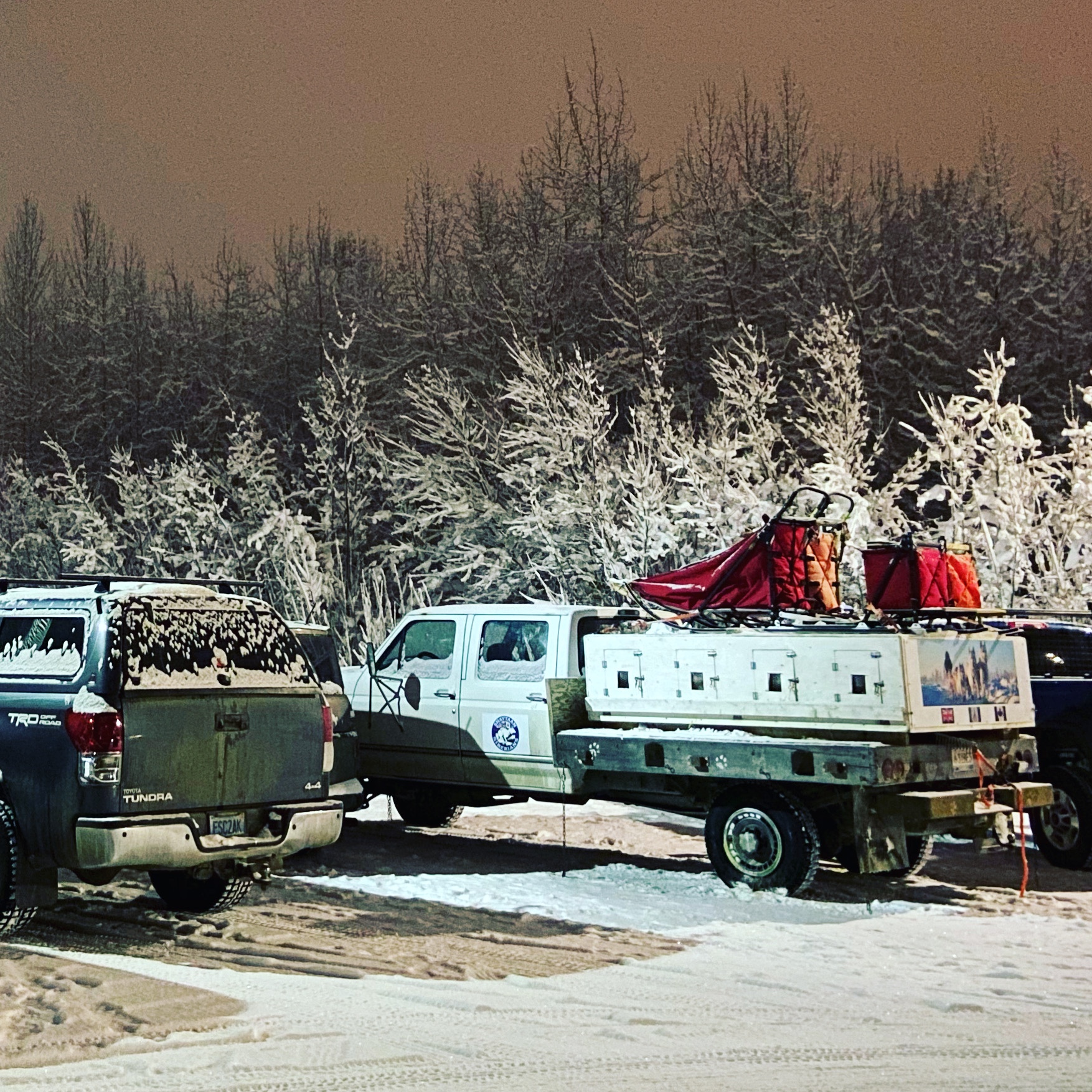
What do you picture when you hear “winter in Alaska”? Sled dogs? Eskimos? 24 hours of darkness? Avalanches? Piles of snow? Polar bears? I had the advantage of previous experience in Juneau, and some research, to reassure me that winter would not be quite as bleak as the Discovery Channel would have me believe. After all, I’m not exactly on the open ocean fishing for crab.
I’m here to report that winter wasn’t as bad as all that. Here’s a summary of my impressions:
1. Juneau is beautiful.

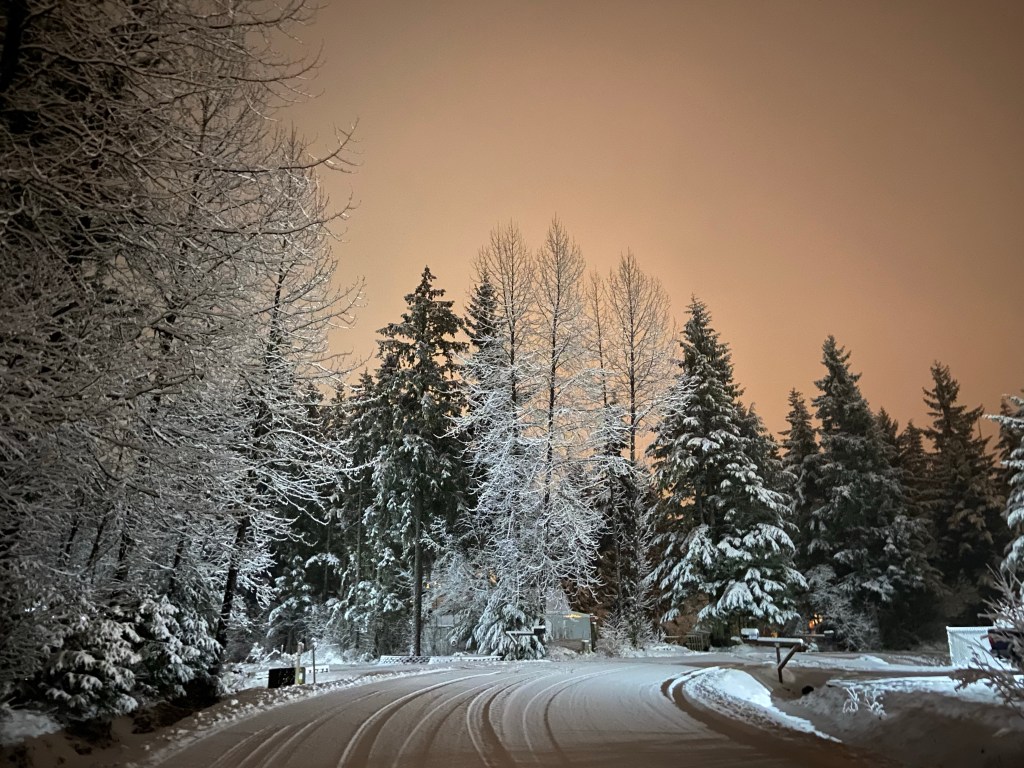
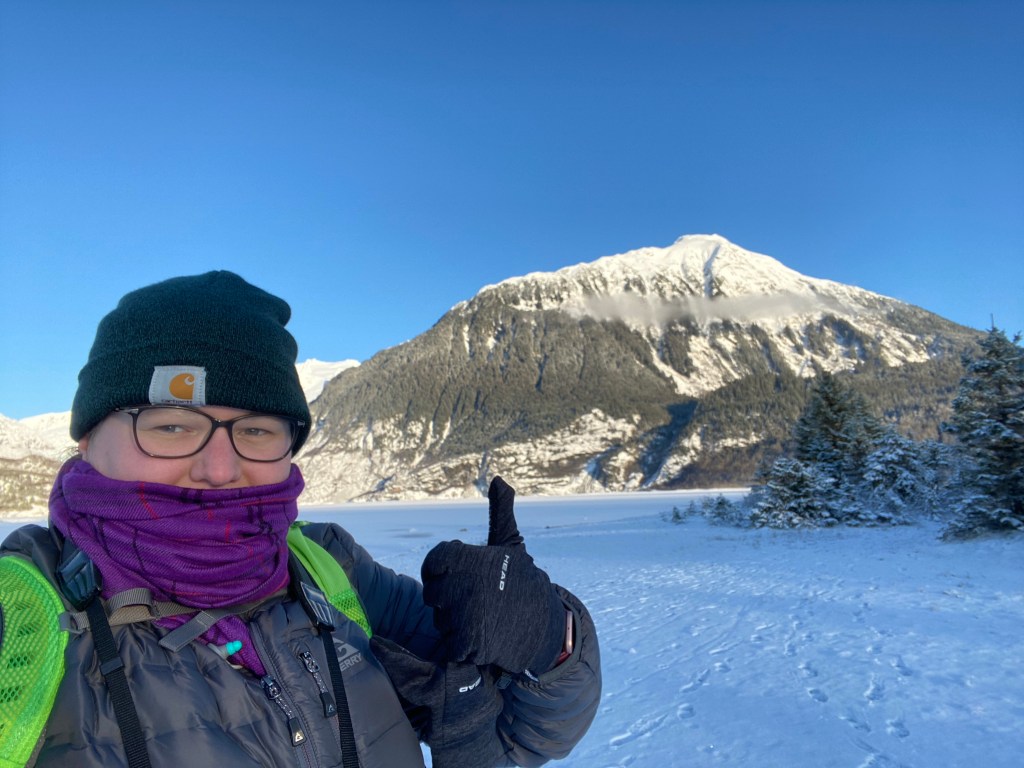
I knew that heading to Juneau would mean more gray, more snow, more rain, and more darkness. The thing is, even when it’s gray… the scenery is still pretty offensively beautiful. I spent more than one evening standing outside in my silent yard watching snow fall on the postcard-like scene. The towering trees and mountains covered in white frosting is an impressive sight to behold.
2.”There’s no such thing as bad weather, only bad gear”
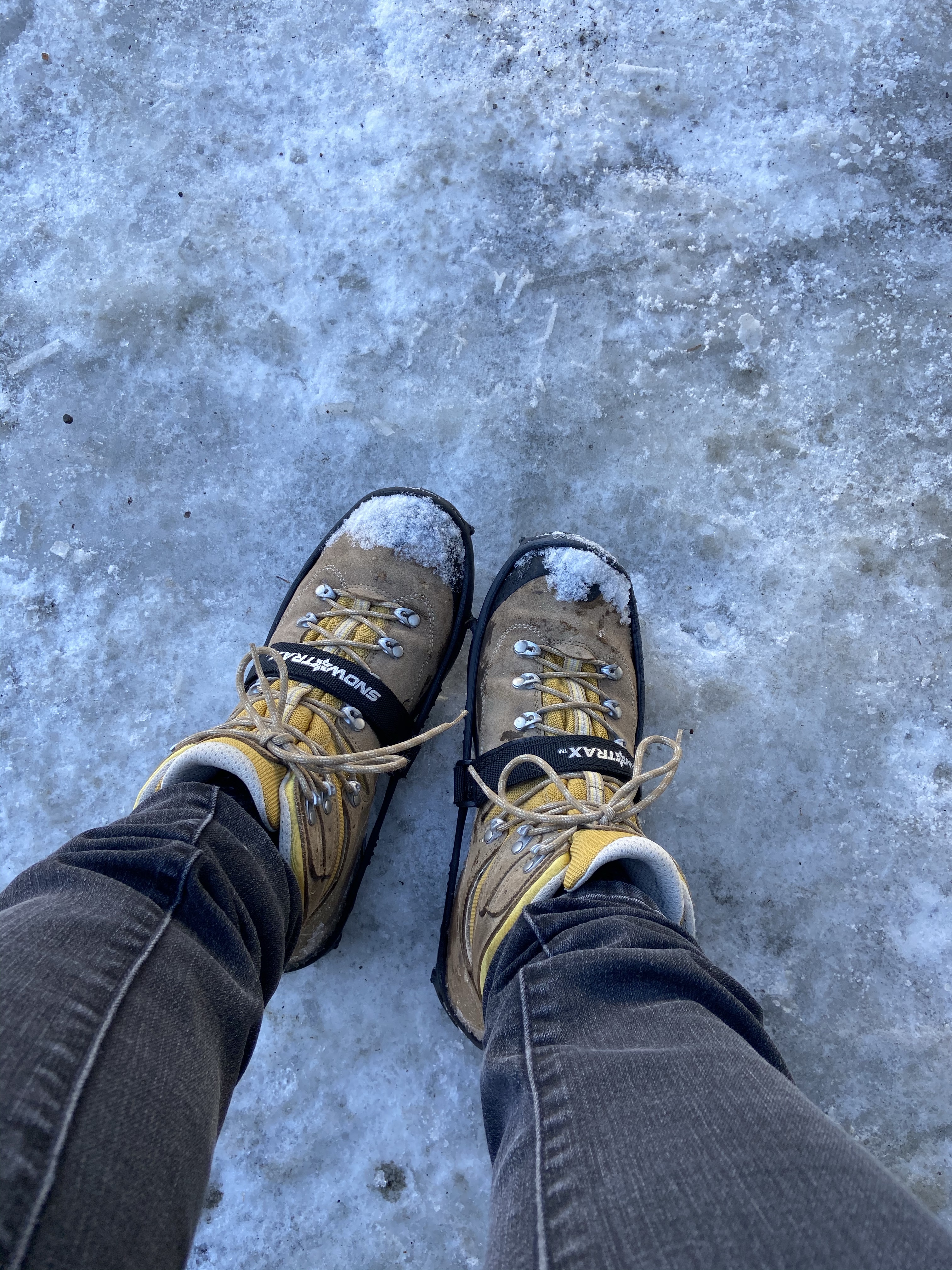
When I got here, I heard someone say this, and I get it now. Growing up in Michigan, I steadfastly refused to dress appropriately for the horrible winter weather. In college I walked to class in rotating pairs of snow-soaked sneakers in the winter instead of buying waterproof boots. In Colorado and Utah I mostly relied on good weather to compensate for my lack of proper rain or cold weather gear. Since moving here I’ve given myself permission to invest in good all-weather gear, and it makes all the difference. Top Alaska purchases include (yes, I did not have these until I moved here despite living in Utah, Colorado, and Montana):
- Ultra-insulated and waterproof mittens (these came in handy for my -20F construction site visit in Fairbanks)
- Upgraded ice cleats for my hiking boots
- A rain coat with a good bungee-tight hood for windy wet days.
- Warm base layers
- An insulated down jacket
- Knee-high XTRATUFF rain boots (excellent for launching canoes in the ocean)
- Hand and toe warmers
- Snowblower (not exactly gear, but a life-saver)
3. There are many textures of snow.

Maybe I forgot about this when I was living in powdery Utah and Colorado, but not all snow is the same! Juneau is a very wet place (in case my moss lawn didn’t make that obvious), and the snow comes in many shapes and sizes. Here’s my rough inventory:
- Sharp dagger crystal frost (not technically snow, but still…) – this is about 1/2 inch thick aggressive and pointy frost that forms after a particularly damp cold evening. Sparkly, spiky, crunchy.
- Squeaky ultra-fine snow – mostly in colder climes like Fairbanks, this stuff squeaks when you walk on it. Instead of packing like wet snow, the tiny icy particles move like cold sand.
- Sand storm – when the wind blows really hard off the ocean, and the snow blows sideways like a sand storm.
- “Snain” – a Juneau term. Like sleet, but somehow wetter.
- Snowfetti – giant flat flakes falling obnoxiously like confetti.
- Backbreaker – when it snows and rains and refreezes in multiple cycles until you have a layer cake of snow and ice about a foot thick on your driveway.
- Fossilized snow – when the plow piles have been compacted into small ice mountains.
- Stay Puft – my favorite, when it looks like the Ghostbusters just killed the marshmallow man and everything is covered in gobs of white sparkly fresh frosting.
4. It’s a relief to know the bears are sleeping.
Bears weren’t a HUGE concern in the summer, but not having to worry about them has been nice. I can leave my trash can outside the garage, and I feel a little more at ease hiking in certain places without bear spray. Soon they’ll be waking up…
5. There are seafood seasons.
I dunno, there are different signs at the marina in the winter. I guess shrimp are a winter thing. I don’t really eat seafood (I know, Alaska is wasted on me).
6. If it’s too cold, your car will not start.
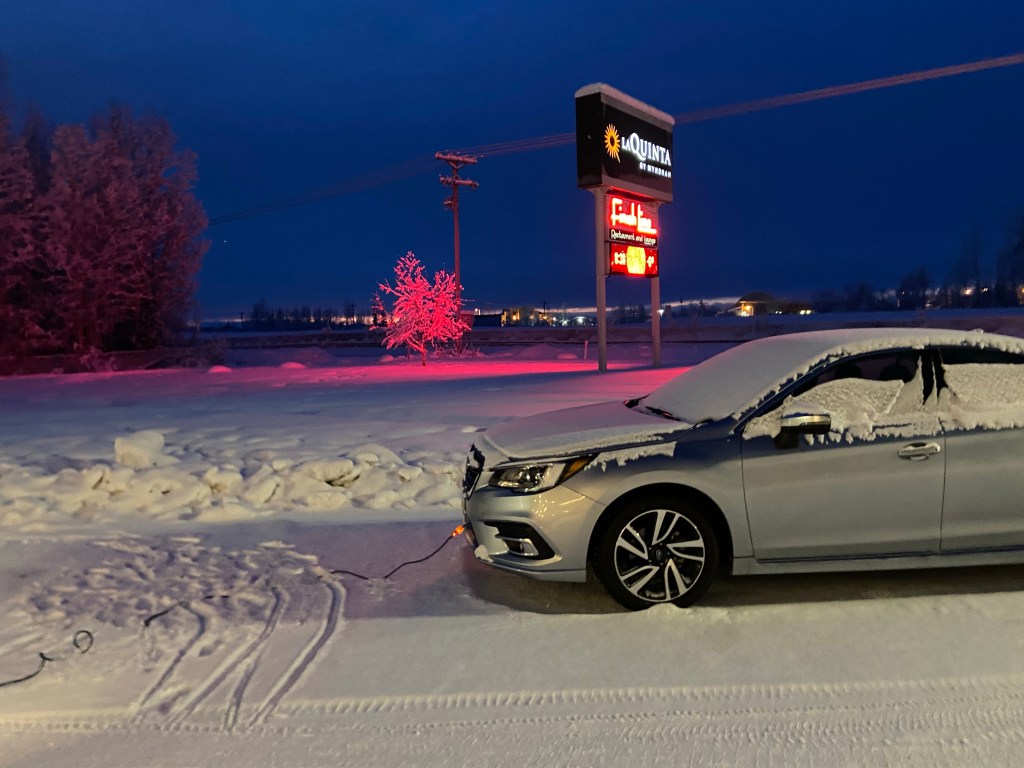
There are places, like Fairbanks, where it is so cold in the winter that you need to be worried that your car just will not start if you turn it off, even during the day. That’s why when your drive around a town like Fairbanks you will see outlets in parking lots and driveways. Cars are equipped with a block heater that keeps the engine from freezing. At night, or while you’re at work, you just plug it in, and it will be ready to go when you are. Luckily we don’t have to worry about this in Juneau because it doesn’t get as cold.
7. Winter blues are probably a real thing.
As beautiful and adventurous and easy as winter has seemed from day to day, I’m definitely ready for the clouds to lift and the sun to return. Everyone is a little on edge these days, and I’m definitely seeing the world through a grey lens.
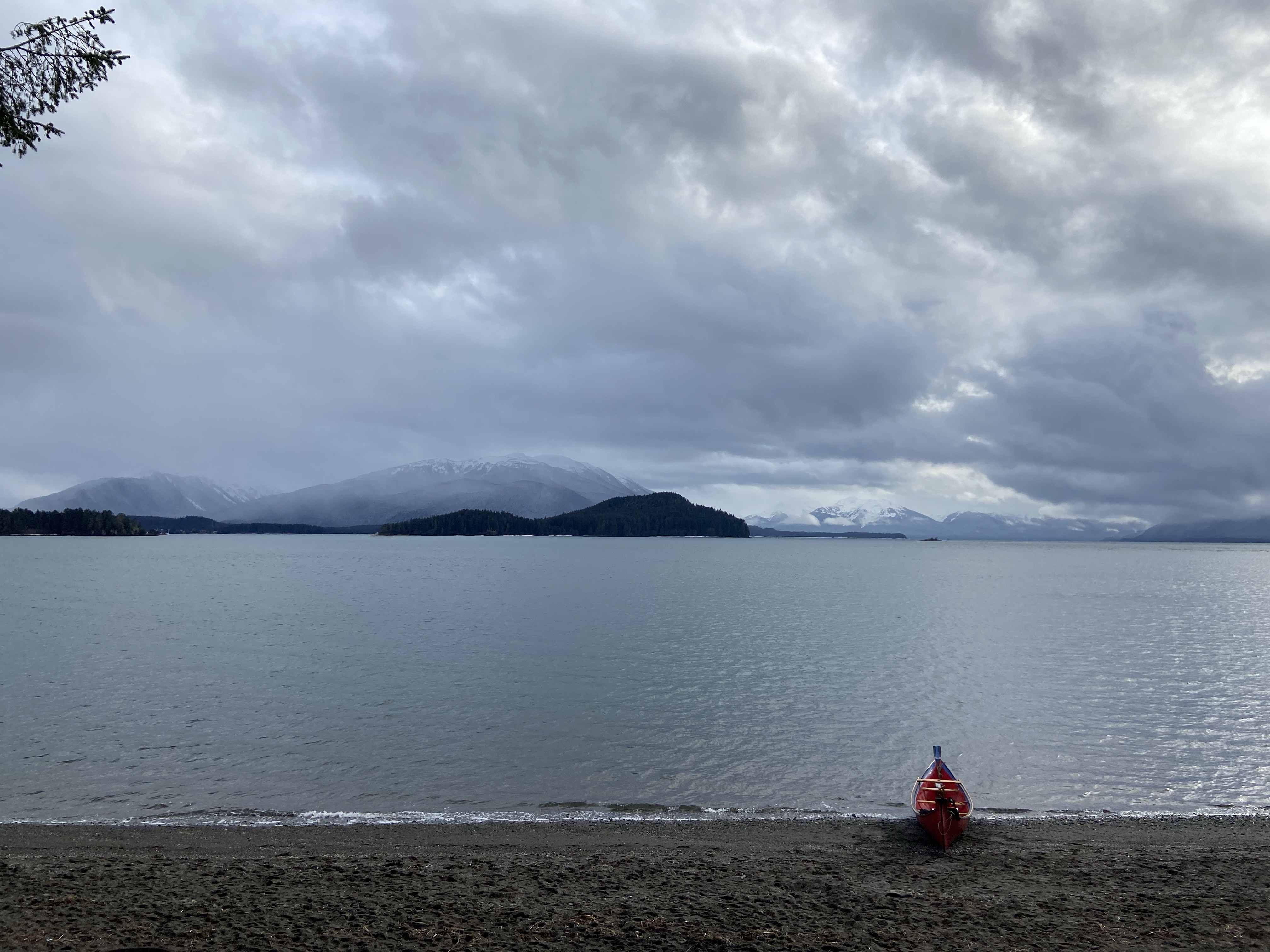
My art class teacher put together an outing in the duggout canoe last month to “beat the winter blues” and get outside, which was wonderful. The sun even made an appearance. Canoeing in the ocean might not seem like an ideal activity in February, but it was a much-needed dose of fresh air.
March on
The days are getting longer! It’s light out when I get home! Winter has been alright, but bring on the spring!
 ROAD TRIP
Thanks Liz for the beautiful photos and vivid descriptions. It truly looks like a beautiful place. I needed your humor storytelling today. I too am ready for spring, SUNSHINE and warmer weather. I am sick of this viral thing, being pretty much shut inside, no end in site, only more and more restrictions. I hope it does not affect Alaska as much. Love you.
PS you forgot to mention how you thawed out a little in GA and FL ! Belated Happy Birthday!
LikeLike